

Social media features a wide range of content, including popular couple trends. While some trends appear harmless, others can be inappropriate or overly personal. With numerous videos circulating online, Lancers are questioning if social media influences student behavior at school.
Students at Granger High School have mixed reactions regarding online relationship trends.
“Some are cute while some are too explicit and have too much personal stuff. I think this does affect Lancers because it encourages them to show PDA at school,” Kesaia Shelton (10) said.
Devannie Gonzalez (10) agrees that certain trends share too much personal detail online.
“I think there are some cute ones, but some seem too personal. Those ones make me uncomfortable,” Gonzalez said.
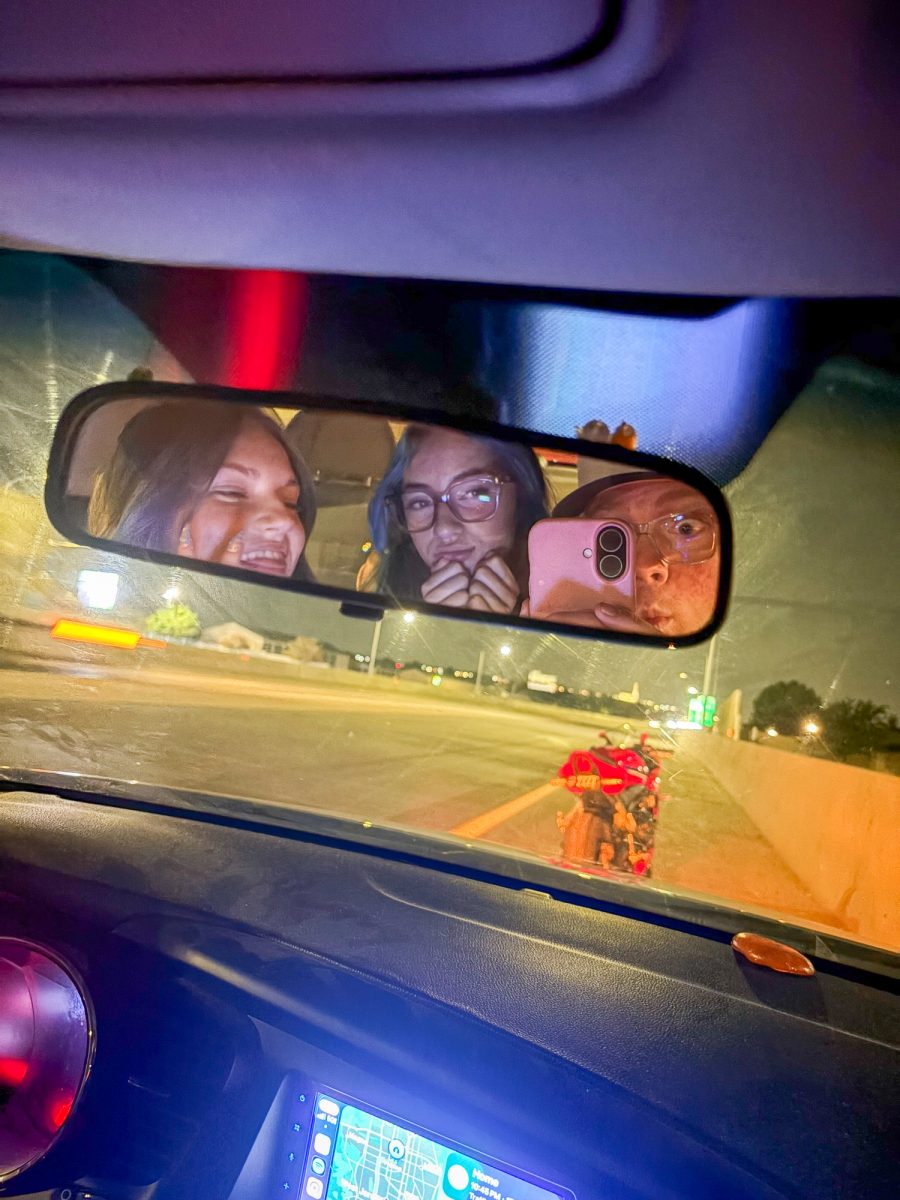
Recent trends raise questions about how online media shapes public behavior regarding public displays of affection. For instance, videos featuring couples eating in cars before transitioning to intimate moments have gained popularity. Content like this can normalize specific behaviors, particularly for younger audiences.
“Sometimes social media can put up some adult-type content, and it influences kids to do that,” Allyson Jimenez (11) said.
When students see adults or influencers behave in specific ways, they may view the actions as normal and attempt to imitate them to appear mature. Repeated exposure can normalize intimate content. When students constantly view couples posting intimate moments online, they may assume it reflects standard relationship behavior, which can shape opinions on what remains acceptable at school.
Certain boundaries exist regarding what should be shared publicly, especially on platforms accessible to younger users.
“People are way too comfortable with posting things,” Lilly Archuleta (12) said.
Digital footprints remain permanent, making caution necessary before posting content publicly.
While public displays of affection on campus remain manageable, instances occasionally exceed standard bounds. Holding hands or quick hugs fit within school norms, but explicit affection belongs outside of school hours. Hallways are not the place for intimate displays. Ultimately, online media may influence perceptions of normal behavior, but students decide how to act both online and in school hallways.