
Whether they are drenching their food in ranch or eating gigantic cookies, social media users will always find mukbangers on their For You page. Mukbangers inspire Lancers and viewers around the world to try new foods, though critics question if they truly make the meals look appetizing.
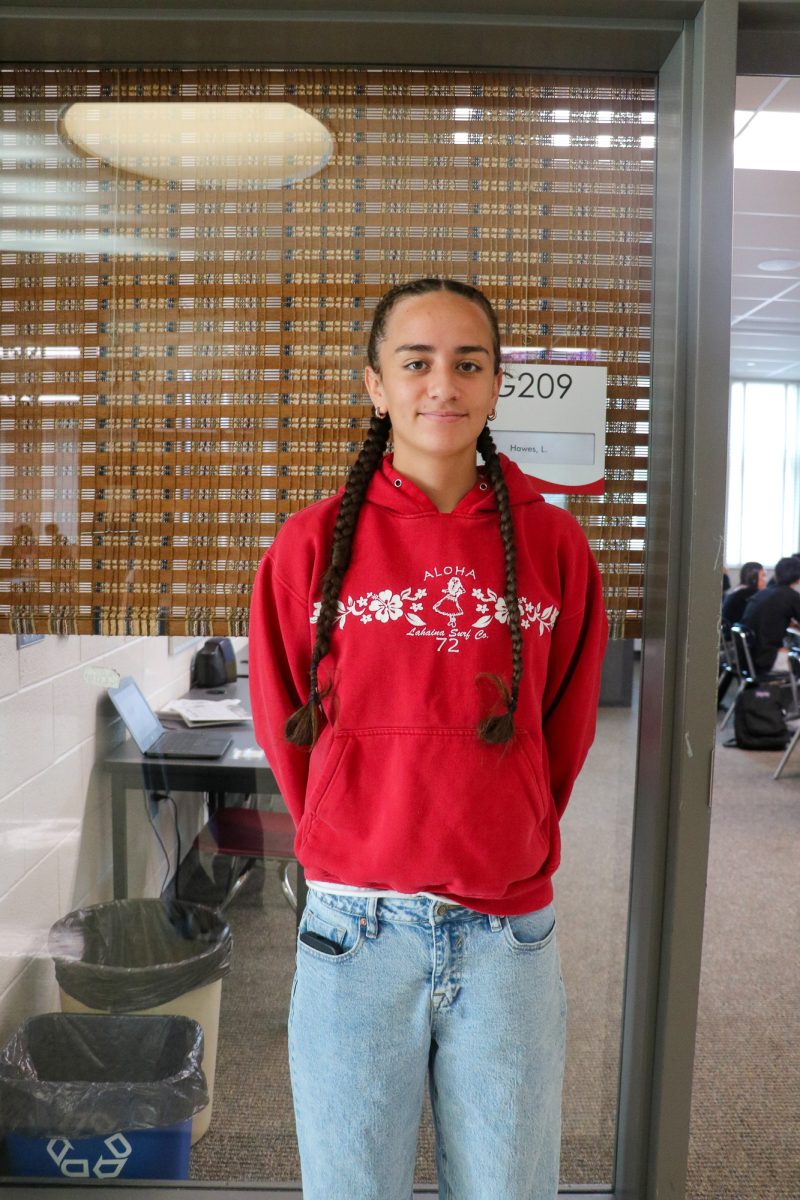
“I like them, but it depends on the food they’re eating. Sometimes they make me feel icky from how messy they get,” Jorge Carrillo (10) said.
Carrillo says his opinion on mukbangers depends on several factors: the food, the proportions, the setup, and, most importantly, the creator’s overall opinion.
Crumbl Cookies is a prime example of this trend. What started as a standard cookie shop became a nationwide phenomenon after mukbangers began buying weekly flavors and reviewing them on camera. Viewers followed suit, driving up both ratings and foot traffic. Many of the foods featured in these videos contain little to no nutrients despite their visual appeal.
“Whatever you need to get money, you know. When I see them, it upsets me if I’m hungry,” Fatima Ahmed (10) said.
Ahmed’s reaction highlights how these videos can trigger cravings for the foods featured. Social media algorithms frequently serve this content to keep users engaged on their screens.
Allyson Jimenez (11) offered another perspective on the trend’s impact on its audience.
“It’s like an undercover fetish, but it’s disguised for a younger audience,” Jimenez said.
Lilly Archuleta says that there are potential benefits for local companies could benefit. “If it’s promoting a small business, it’s cool,” Archuleta said.
Small enterprises, such as local candy shops, often rely on positive reviews from content creators to expand their reach and customer base.
However, negative impacts remain a major concern for others on campus.
“I think it’s bad because it influences kids to be gross and wasteful,” Fise Uesi (11) said.
This wastefulness happens when consumers order popular menu items from places like Wingstop, only to discard them if the food doesn’t meet expectations.
Editor’s Note: If you or someone you know is struggling with an eating disorder, body image issues, or unhealthy relationships with food, help is available. You can reach out to a trusted school counselor or contact the National Eating Disorders Association (NEDA) helpline by calling or texting (800) 931-2237, or visiting nationaleatingdisorders.org for 24/7 confidential support.