
FROM THE classic rom-com “10 Things I Hate About You,” which features an enemies-to-lovers trope people love indulging in, to “The Notebook,” where fans love seeing Noah desperately yearn for Allie, romance tropes are everywhere.
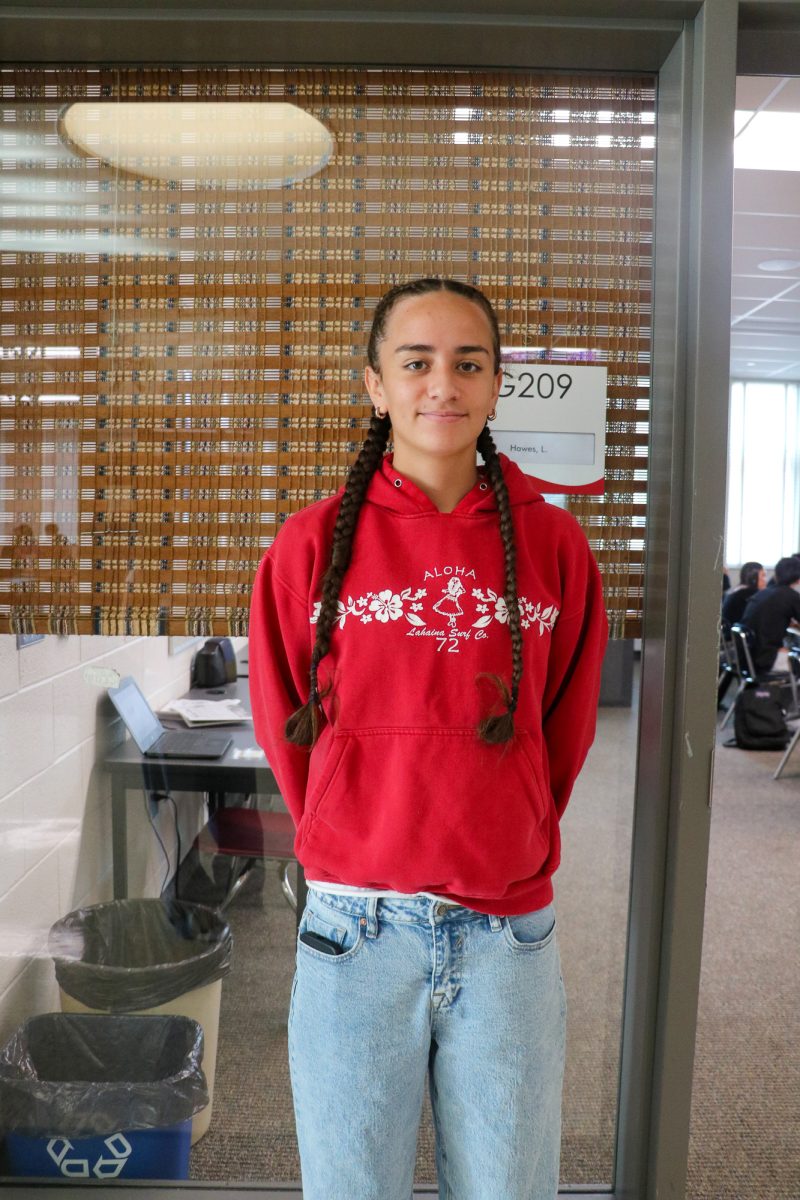
“I like slow burns, the friends-to-lovers type of thing,” Nani Johnson (12) said. “I think it’s more personal when you already know the person — like knowing them as a friend and then getting to know them romantically.”
“ ‘How I Met Your Mother’ and ‘Friends’ are the two shows that got me into the friends-to-lovers, slow-burn trope. I will die for Joey and Rachel from ‘Friends’; they are my literal favorites,” Johnson said. “They were really close friends, and then he kind of recognizes the romantic parts of her, and then that’s when he starts to like her romantically.”
Ms. Green also appreciates the emotional buildup of a gradual relationship. “I enjoy the friends-to-lovers trope,” Ms. Green, an English teacher. said. “I know a lot of people love enemies to lovers, but I think that most relationships don’t start as enemies to lovers. I don’t understand why the romance trope between sentient, inanimate objects plus humans works for people.”
“To be honest, there are so, so many enemies-to-lovers stories. But when you do find a friends-to-lovers trope that feels realistic and natural, it’s really refreshing,” Green said. “ ‘The X-Files’ is an old show from the ’90s where they’re co-workers, and it takes them 11 years to fall in love. I love a long slow burn like that.”
For many viewers, slow-burn relationships offer realistic character growth and build narrative tension through gradual interactions between the lead characters. Romance fans are complete suckers for the classic slow-burn trope. The chemistry that slowly builds up between the love interests feels natural and realistic. It really makes them feel like a fly on the wall, geeking out over every little interaction that builds the agonizing tension between the two lovers.
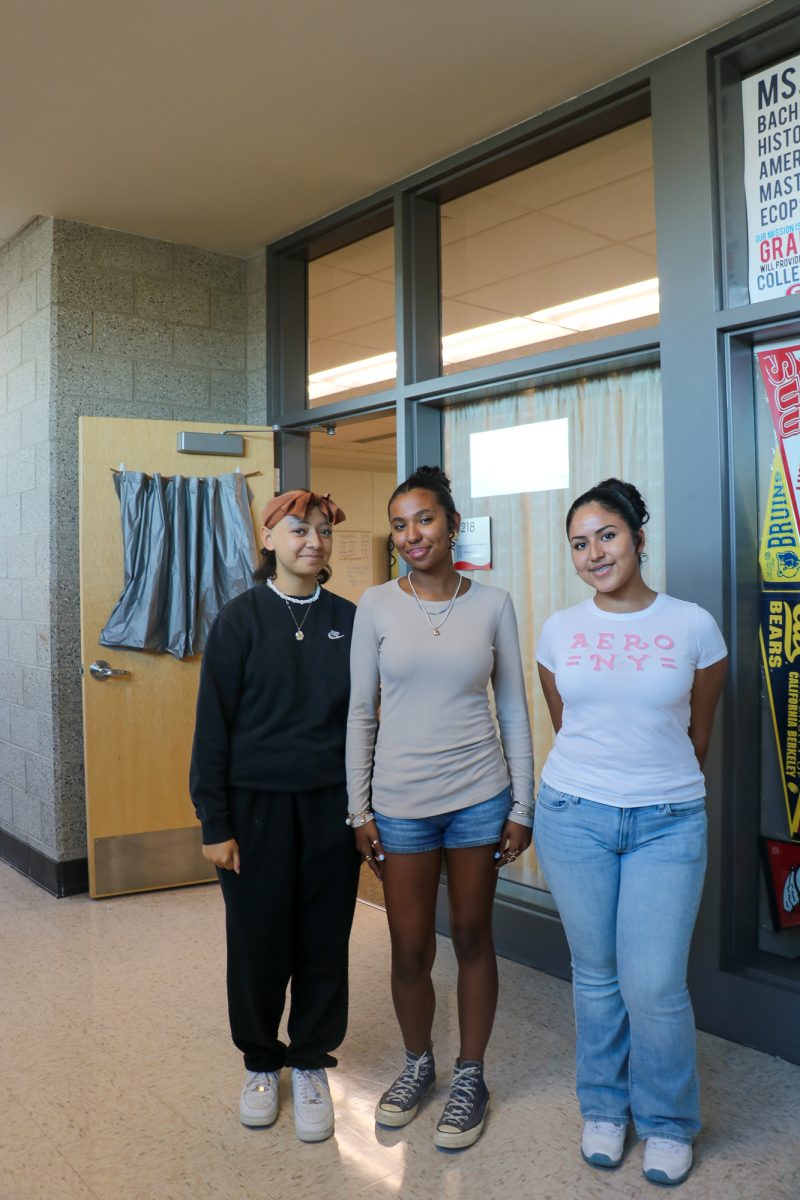
Other students prefer classic conflict-driven narratives and contractual romance plots. “I’d say enemies to lovers and love triangles are my favorite romance tropes,” Manal Ahmed (11) said. “I like love triangles because I think it’s interesting to see the heroine choose between two leads based on their pros and cons. I feel like enemies-to-lovers are more intimate; it’s kind of cool to see them hate each other and then start liking each other.”
“ ‘The Summer I Turned Pretty’ is a show I watched that had a love-triangle trope. In the show, Belly has a messy love triangle between two brothers, Conrad and Jeremiah. Throughout the show, she goes back and forth kissing both brothers on multiple separate occasions. I don’t like when the romance interest is way older. Like in ‘Pretty Little Liars,’ when she was dating a teacher on the low, that was not cute,” Ahmed said. “Slow burns, love triangles are good, and I also like the enemies-to-lovers trope,” Zayna Abukar (11) said. “There’s this K-drama I watched called ‘Business Proposal.’ It’s kind of like an enemies-to-lovers, marriage-contract type of romance. The heroine, Shin Ha-ri, goes on a date with the male lead and fails to find a way out of being in a fake-relationship contract with him, and then he ends up slowly falling in love with her.”