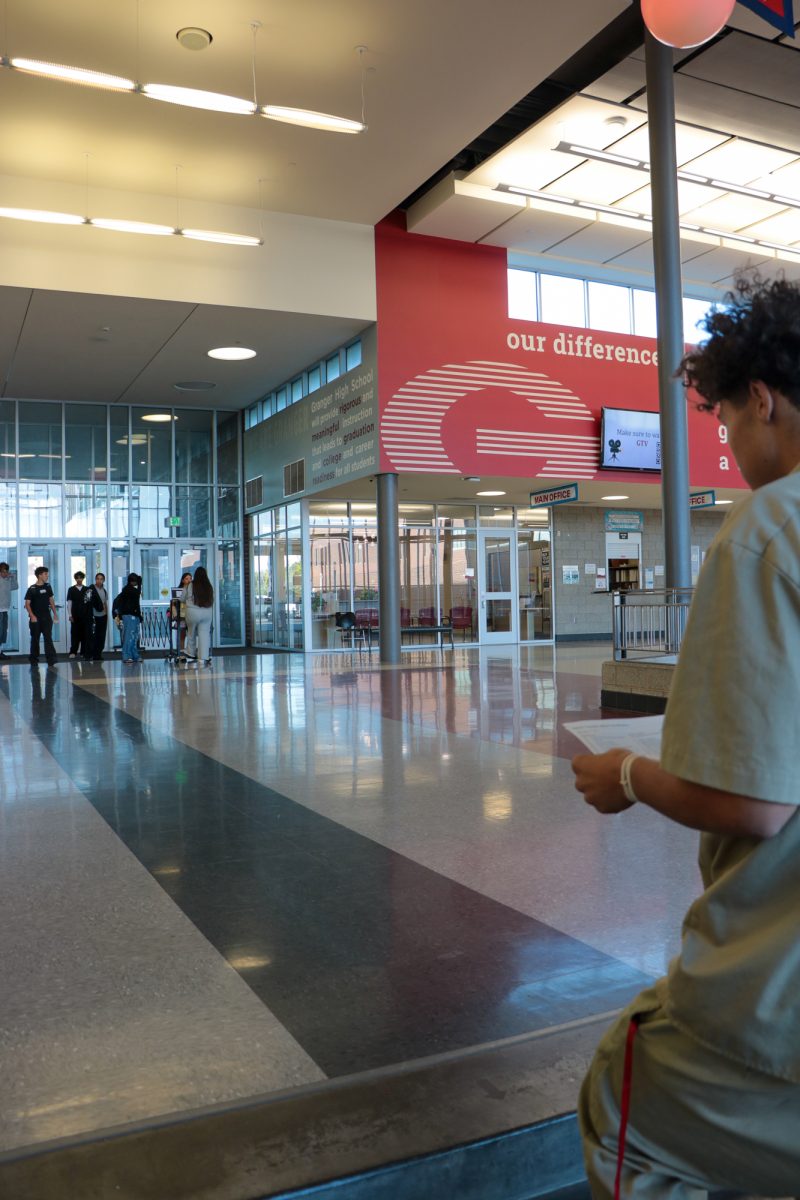

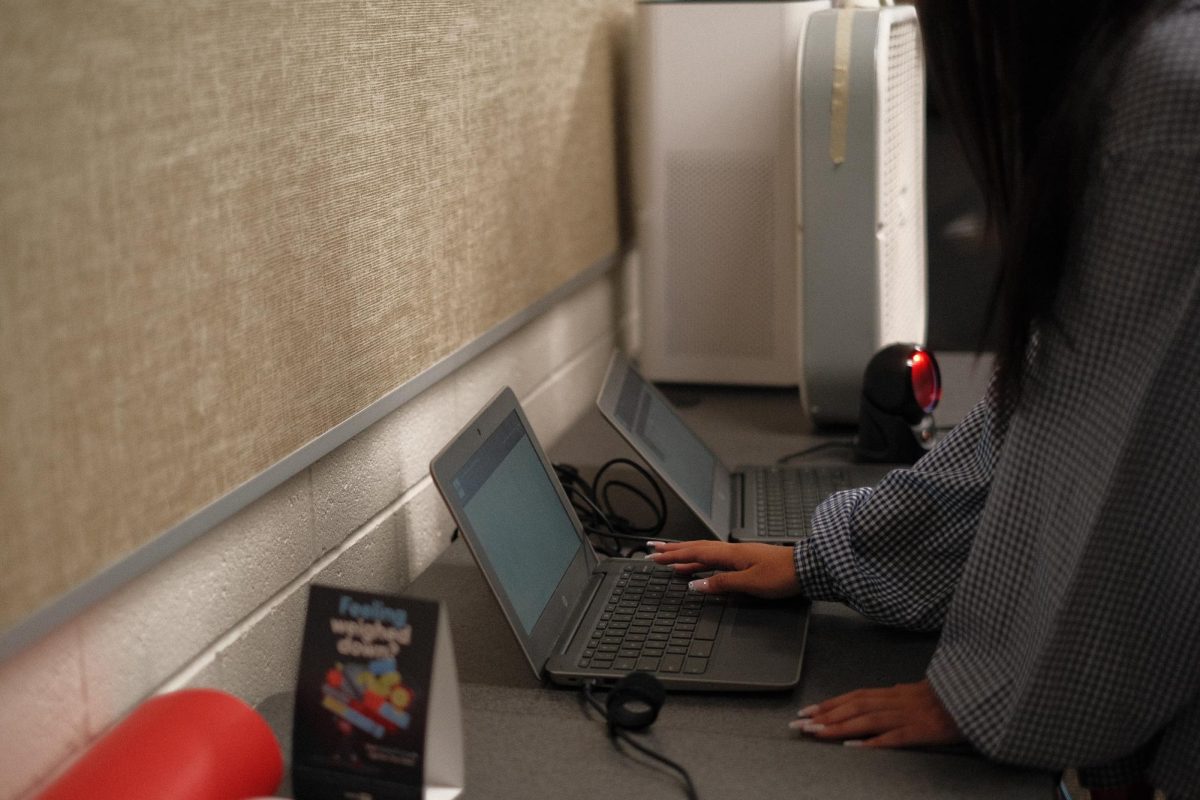
WITH THE start of the 2026-27 school year, Granger High School introduced an attendance kiosk system requiring every student to check in at the beginning of each class period. To be marked present, students must type their student ID numbers into the kiosk or scan their ID badges. Functioning like a workplace clock-in system, the technology represents a significant shift from previous years.
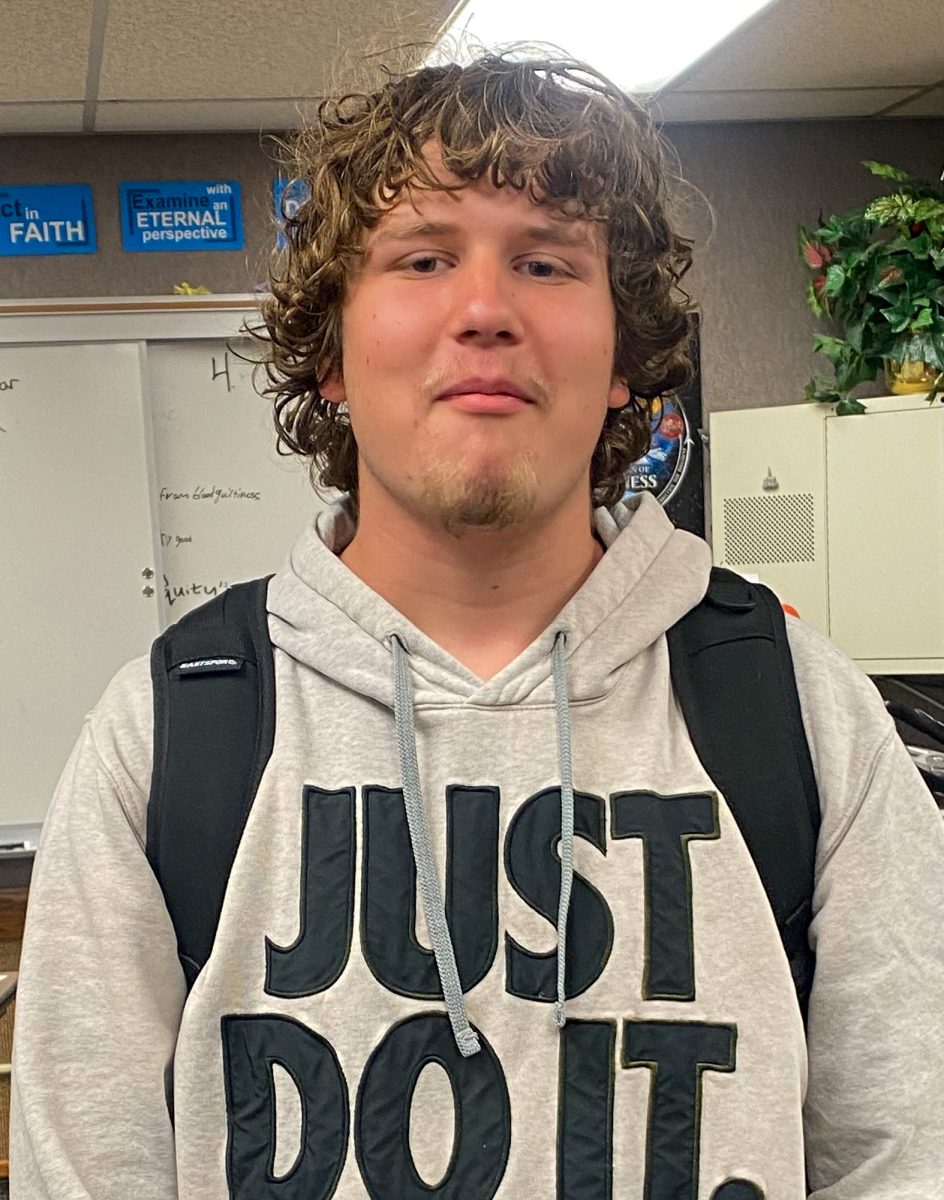
“I don’t like the new system because I forget to sign in, and I feel like there are going to be more people skipping. Honestly, I feel like there is no benefit to this new system because teachers still take attendance,” Isaac Ortiz (12) said.
Ortiz says he would eliminate the new system because it fails to work consistently and has caused him to be marked absent more frequently.
According to administration, the project’s primary goal is to foster student accountability and personal responsibility. In past years, attendance meetings between parents, students, and administrators often involved students blaming teachers for incorrect marks, claiming instructors simply disliked them or failed to recognize them.
Other schools inside and outside the district have also adopted automated attendance tracking. According to a KSL news article, “Utah schools cut absenteeism in half with new incentives,” automated attendance systems have reduced absences by half in participating schools.
“This year, I have had over two dozen conversations about attendance, and with this new system, I have seen a flip in those conversations,” Josh Bates, an assistant administrator, said. “Now, I can pull up the exact times students scan into class.”
Bates says clear electronic records place attendance responsibility directly on students rather than teachers.
Some faculty members feel the system complicates classroom management. Teachers noted that while the program teaches responsibility, technical glitches remain an obstacle.
“It’s a new technology, and it takes time getting used to it and figuring it out,” Bates said regarding the transition.
Lt. Col. Plumb, an Air Force JROTC instructor, says results were mixed in his classroom, explaining that while the kiosks save instructional time, they alter traditional program routines.
“In JROTC, we used to do roll call at the beginning of each class,” Plumb said. “This saves us time, but it also takes the JROTC aspect away. It needs to work every day.”
Physical education teacher Coach Felion noted that any new system comes with initial growing pains, though seating charts prevent issues with learning student names. He suggested incorporating incentive programs to encourage student participation.
“When I was in high school, there were a lot of rewards where we could go to the school store and redeem prizes like hats and T-shirts,” Felion said. “I hope they do more rewards to encourage students.”
Other faculty members expressed stronger reservations regarding daily technical reliability. Students also report that morning check-ins create bottlenecks at classroom doors, especially when classmates forget physical badges and must manually type ID numbers.
“I dislike the time it takes to scan in,” Juan Martinez (12) said.
As Granger High School adjusts to the new system, administrators, teachers, and students continue navigating the balance between technological efficiency and everyday classroom routines.
“I don’t hate or like it personally. I think kids are going to be skipping more. I think the only benefit will be that the kids who care are going to care more, but the kids who don’t are going to care less,” Adamaris Solano (12) said.
Solano says she would not change the policy because students will ultimately follow it, though long check-in lines occasionally cause her to be marked late.
“I love the new policy; it’s more convenient and gives me more time to be with students. I think this new policy helps students be more accountable,” Mr. Masimer, a wood-working teacher, said.
Masimer says the primary benefit is student satisfaction, though he noted the scanners should be repaired so students do not have to type in their numbers manually.
While most students express frustration with the new policy, faculty members appreciate how it simplifies administrative duties. However, both students and teachers agree that technical glitches must be resolved to make the system effective.