
FASHION, hairstyles, and music have always shaped what makes each generation of teenagers unique. From the clothes students wear to the music they listen to, trends often reflect the culture and personalities of the people growing up during that time. While some styles disappear as generations move on, others eventually find their way back into the closets, hairstyles, and playlists of today’s students.
For generations of high school students, growing up has looked different depending on the decade. The trends that shaped their teenage years ranged from colorful shirts and bell-bottoms to big hair, gothic fashion, and eventually the relaxed styles of the ‘90s. Although each decade had its own look and sound, some of those trends have started to appear again among students today.
For teachers and faculty who grew up in different decades, today’s trends can also bring back memories of their own high school years. For Mr. Wixom, a math teacher,, who grew up in the ‘70s, colorful patterns were a big part of what students wore. Paisley shirts and other colorful patterns were common. Wixom also remembers some of the decade’s styles returning today, noticing similar looks like bell-bottoms returning as a variant of the tight-ankle pants popular in the ‘60s and early ‘70s.
Long hair was another recognizable part of the time. Wixom remembers long, shaggy hair becoming popular in the late ‘60s and ‘70s, especially with the influence of rock musicians. Just like his peers, Wixom wore his hair long during that era.
Music was just as important to the generation. Wixom remembers classic rock being a major part of what he listened to, including the Doobie Brothers and the Eagles. The way people listened to music back then was drastically different from how people listen today. Wixom remembers having LP records, eight-track tapes, and cassette tapes, which often meant listening to an entire album instead of selecting individual songs.
Eight-track tapes and cassettes also made skipping through music less convenient. In turn, that made it easier to become familiar with more of an artist’s music rather than only hearing the most popular tracks.
By the ‘80s, fashion became a way for students to experiment with different looks. Mr. Keyes, a freshman success teacher, remembers black clothing being the defining style for him. Within his friend group, the style was common, but Keyes remembers the decade as a time when people were willing to try different things. He recalls wearing an outfit that included beige jeans, a yellow-and-black flannel shirt, and red suspenders.
“You could pretty much wear whatever you wanted, especially the new wave scene,” Keyes said. “It was kind of all about being different.”
Ms. Roberts, an English teacher, also remembers experimenting with her clothing. She described herself as more of a trendsetter and remembered wearing a jean jacket with different outfits, like a skirt and boots, before the jacket style became popular.
Roberts wore full, flowy skirts and boots, while a preppy look was also popular. Roberts remembers Sperry boat shoes and other preppy clothing being common among her peers, although she preferred experimenting with different looks.
Some ‘80s clothing has started making its way back. Roberts said she recently heard that leg warmers, which gained popularity during her high school years, were coming back. “For me, I didn’t do flashy, but yeah, there were those leg warmers you could scrunch down and wear over your boots,” Roberts said. “My attitude was, if everyone else is doing it, I’m not doing it.”
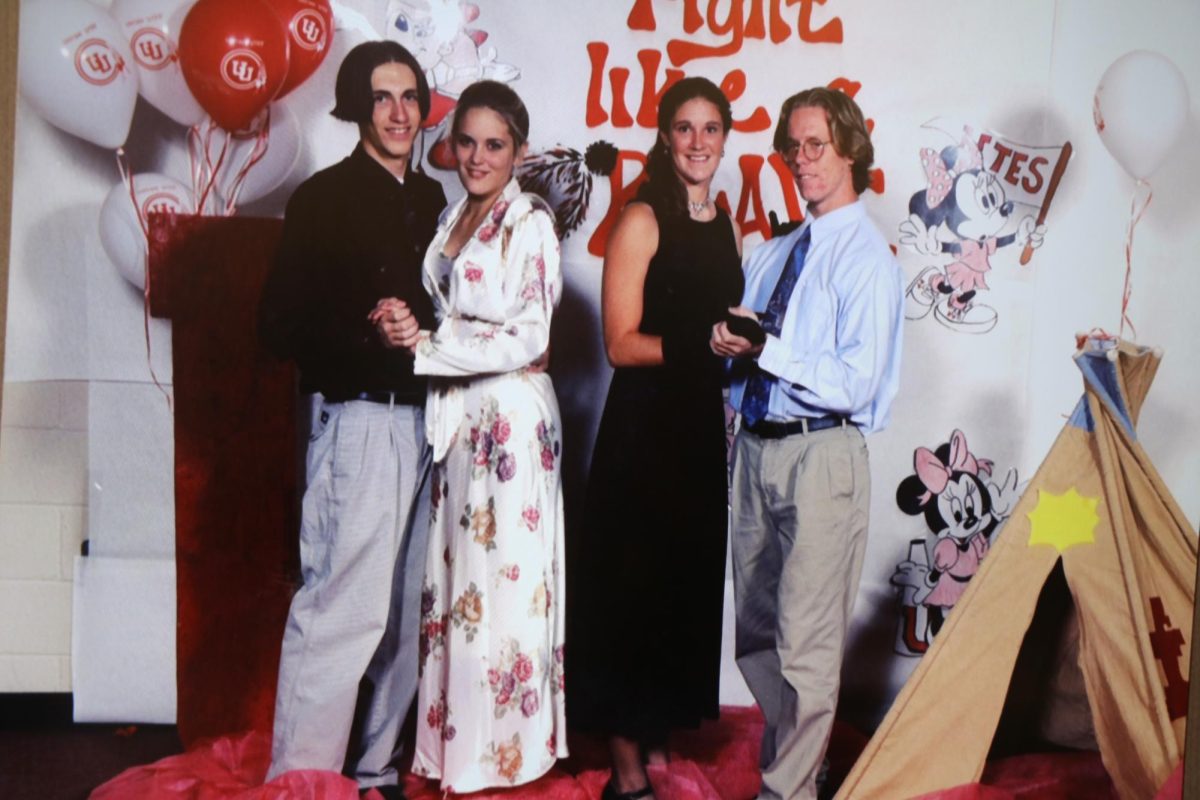
Hair was another major part of 1980s style. Roberts remembers big, layered hair being especially popular, with people curling and flipping their hair to create more volume. Roberts chose a different look. Instead of wearing the big hairstyles popular at the time, she kept her hair straight and parted it down the middle.
Keyes also had a standout hairstyle. He wore what he called a British mohawk, which was wider across the top than a traditional mohawk and curved down the sides. He said maintaining the hairstyle was a fairly simple process of a trim and shave every so often.
Music in the ‘80s had several different scenes, and Keyes aligned himself with new wave. He remembers Depeche Mode, Erasure, Thompson Twins, and Duran Duran as some of the bands that defined his teenage years.
For Roberts, her musical taste covered several different styles. She listened to Led Zeppelin and the Rolling Stones, while also enjoying fresh sounds from the Cars, the Pretenders, and the Ramones.
She remembers hearing some of the earliest rap music, including the Sugarhill Gang. When Roberts compares that music to what students listen to now, she said rap is one of the biggest changes.
“The very beginnings of rap, like the Sugarhill Gang, were the first I heard of rap,” Roberts said. “The very beginnings of rap don’t sound like what rap is today.”
Keyes sees a difference in more than just the music itself. He said students today often listen to individual songs instead of entire albums. He remembers becoming familiar with an artist’s entire album, including songs that were never released as major hits.
“Kids listen to music differently than we did in general,” Keyes said. “They listen to a lot of singles rather than albums. We listened to albums, whereas a lot of kids listen to one song by this artist and one song by that artist.”
The ‘90s brought another shift toward casual clothing. Mr. Opie, a math teacher, remembers wearing soccer shorts and a T-shirt for much of high school. “Very relaxed,” Opie said. “Easy to do whatever I needed to.”
He sees some similarities between that style and what students wear today, although the specific clothing has changed.
“I see a lot of T-shirts and relaxed clothing among the students, and then they wear more pajama pants to relax instead of shorts,” Opie said.
Mr. Johansson also remembers jeans and rugby shirts being part of his everyday style. Stonewashed jeans were another look he remembers being popular during the ‘90s. Ripped jeans are another trend both Johansson and Opie remember from their high school years. Opie said the style was common in the ‘90s, although it was not as extreme as some versions students wear today.
“When I was in high school, you saw a lot of ripped jeans, mainly just in the knees, but now it’s
the whole entire pants that are ripped,” Opie said.
Johansson remembers ripped jeans as well, although they were never his personal style. Hair was another recognizable part of ‘90s style. Opie wore his hair around shoulder length, inspired
by Kurt Cobain.
Johansson had a different experience. During his senior year, he was a swimmer and had shaved his head, but he also remembers lighter, Sun-In-treated hair being popular.
Music in the ‘90s covered a wide range of genres. Opie connected with alternative music, especially the Smashing Pumpkins. Like Keyes, Opie remembers knowing more than just an artist’s biggest songs. He said he knew the popular songs from each Smashing Pumpkins album, but also knew many of the lesser-known tracks.