
STUDENTS from all around the U.S. most likely despise reading; it’s common. When you’re reading anything, whether it be for a homework assignment, a story book, or even this article that you’re reading right now, it’s just words you’re trying to comprehend.
People don’t read for no reason, and people most certainly don’t write for no reason either. People write for a purpose — for a message to be sent. But what happens when your government takes away your ability to read or write and the freedom to express yourself? How can it affect your education?
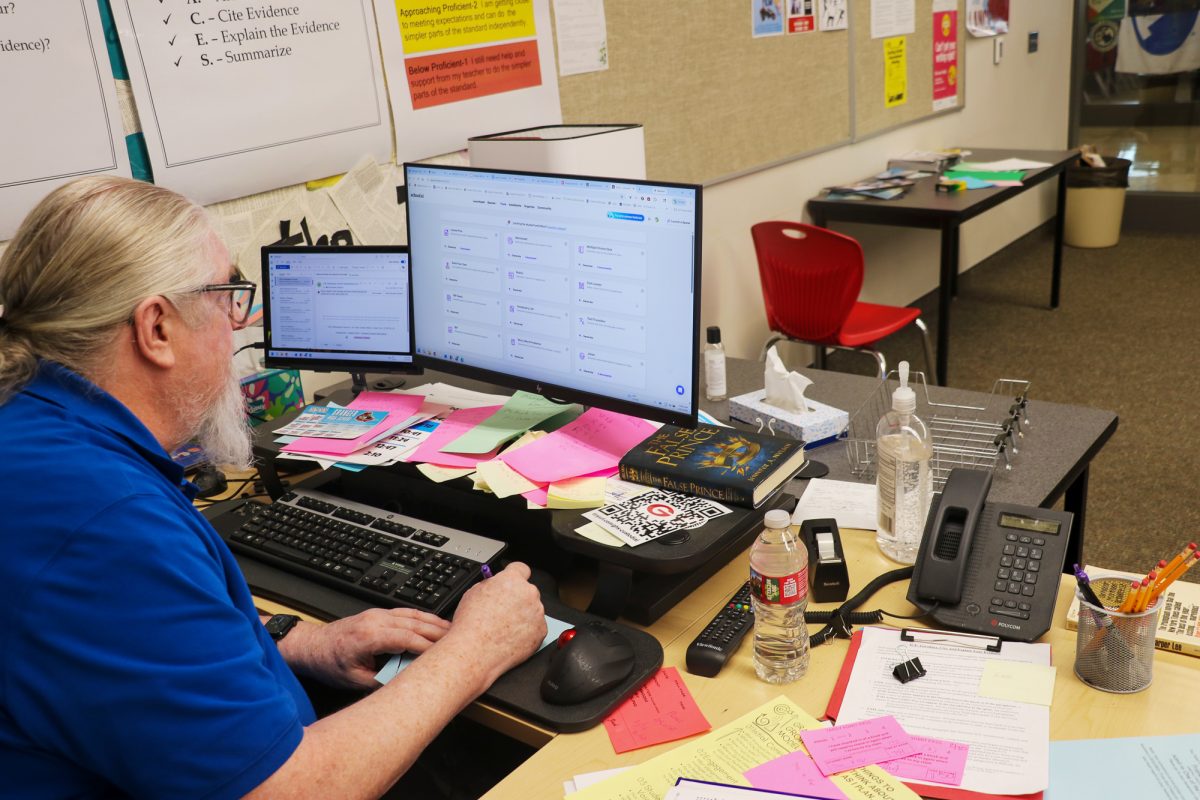
Banning books is nothing new, and yet there are still many divided opinions about why books should or shouldn’t be banned. “Erasing information is wrong. If we don’t talk about societal issues, we’re discarding information, and that doesn’t suit history. There have been many instances in the past where we have lost many books that have important information. I believe that getting rid of books is just wrong,” Mr. Black said. Mr. Black is the professor for the Latinos in Action club. He majored in history, spends his free time watching documentaries, reading books about the past, and is very passionate about reading banned books. “In my opinion, “Fahrenheit 451,” “1984,” or “The Handmaid’s Tale” are great examples of banned books. These books don’t simply teach bad lessons, they teach the dangers of what happens in our society,” he said.
One of the primary reasons many books are banned actually comes from parents’ political preferences. I understand that parents don’t want their children exposed to inappropriate language. However, the strong opinions of these parents and other adults are usually the primary reason for censoring books that are nowhere near as similar to the content they are depicting. Books like “To Kill a Mockingbird,” “The Perks of Being a Wallflower,” and “The Hunger Games” are probably ones you’ve already read and enjoyed. In many of these books, we notice a trend in the subjects the government bans, such as DEI, racial justice, and LGBTQ+. The importance of independent thinking when it comes to these subjects is strongly expressed by many who believe reading banned books is beneficial, such as students.
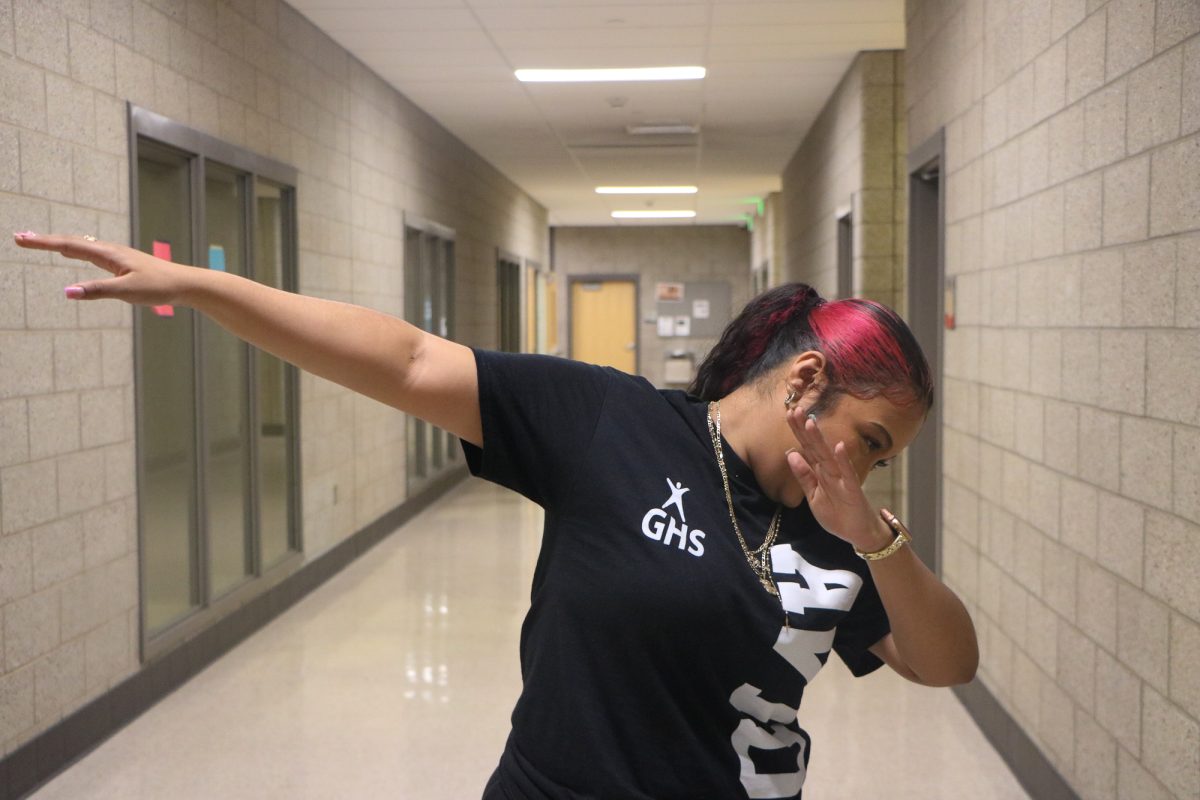
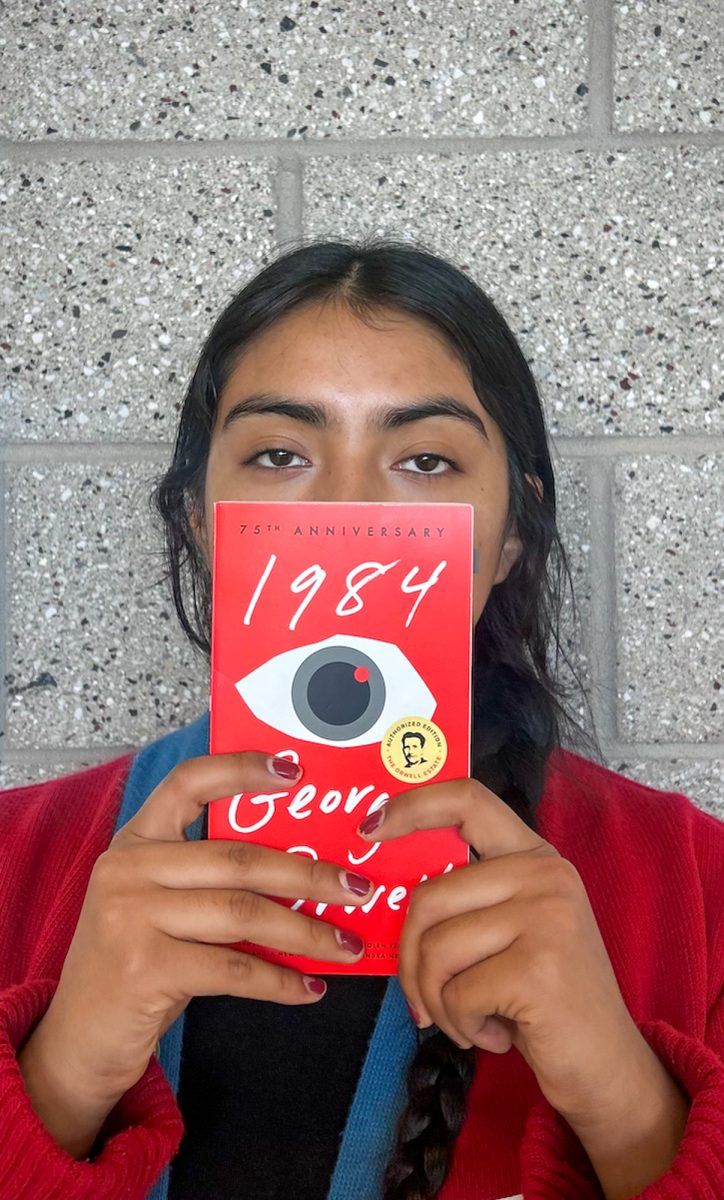
“I think it is very important to read banned books in school because at this age, we are very impressionable. Reading banned books is a form of rebellion,” Pryzma Álvarez (12) said. Alvarez is a senior widely known for her love of reading and knowledge. “Very few books make a soul feel seen, but “A Thousand Splendid Suns” by Khaled Hosseini is one of them. It impacted me greatly when I read it as a freshman, and I’d recommend it to anyone who has a pulse. I also believe every student should read “Animal Farm” by George Orwell before they graduate. It proves that history repeats itself,” she said.
Books shape our education. Many, if not all of us, have read at least one book before we started kindergarten. Without even realizing it, many of our favorite books have left the shelves of our school libraries. You can dislike reading, but when it comes to what books our future generations have access to, we hold the power to decide what they can or can’t read, and that starts with us picking up a book.