
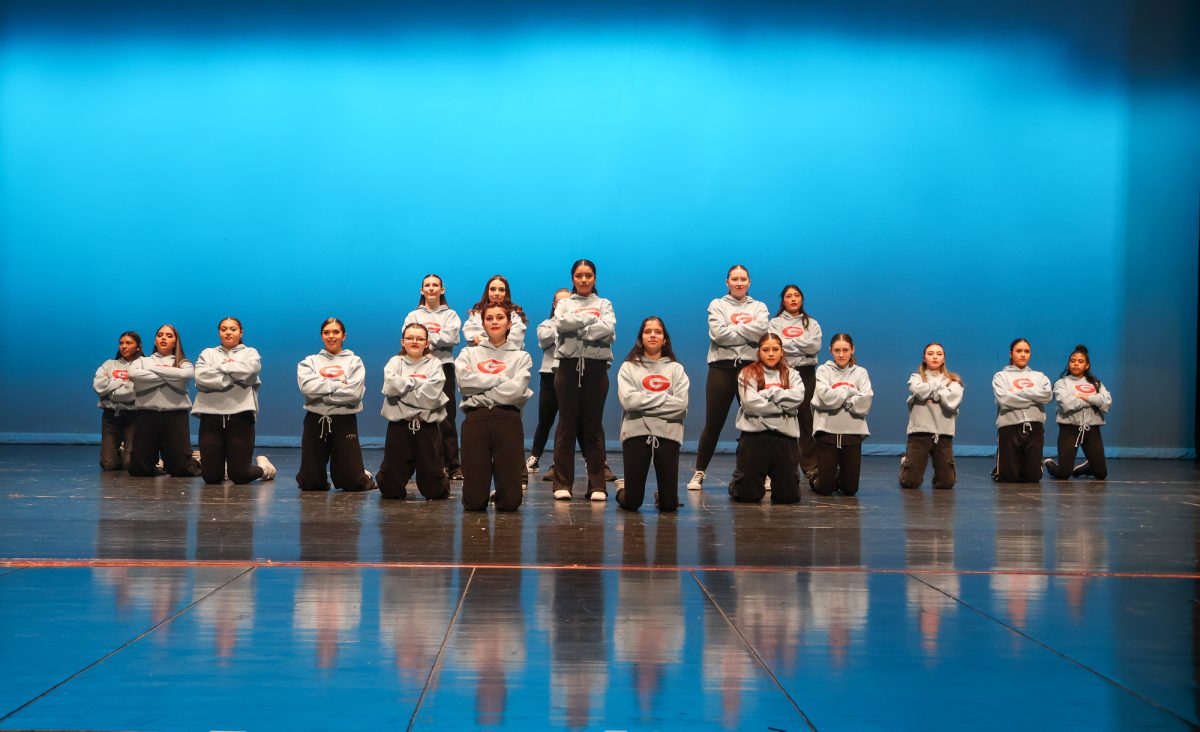
HAVE YOU ever stopped to think about what goes on behind a choreography? It’s not just about steps and music; it also involves counting, emotion, talent, art, and many movements that carry intention. Creating a dance is a deeper process than it seems. It all begins with choosing the music and listening to it several times to understand its rhythm, energy, and message. Then come the eight-counts, which help organize the steps and build combinations that connect with the song’s emotion. Formations and position changes are also planned so the dance looks dynamic and interesting.
In Granger High Dance Alliance, dancers work as a team, repeating movements again and again to achieve synchronization while paying close attention to technique and expression. They don’t just want it to look good; they want the audience to truly feel what they are performing. Every rehearsal is a chance to refine small details: posture, energy, arm precision, and strength in every movement. Discipline and commitment are essential because a well-executed choreography reflects hours of practice and dedication.
Martina Moreira (12th) “A choreography can have different levels of movement depending on the rhythm and counts of the music. The music and the counts help us coordinate and understand the rhythms and movements. That way, we know if we have time for short movements or bigger ones.”
Lia Webster (11th) “For me, the most important thing is understanding the rhythm. If I don’t feel the music, I can’t move well. The counts help me a lot because I know exactly when each step happens and whether I need to make a big movement or a smaller one.”
Elviane Silva (10th) “I like that every step has intention. It’s not just about moving your body randomly. The music tells you what to do, and the counts keep you organized. When we are all synchronized, it feels amazing, that’s the key. If someone is early or late, you can tell. Practicing together makes everything flow better.”
In conclusion, a choreography is much more than learning steps; it’s about understanding the music, working as a team, and expressing emotions with purpose. Behind every performance, there is effort, passion, and a connection that turns movement into art.