

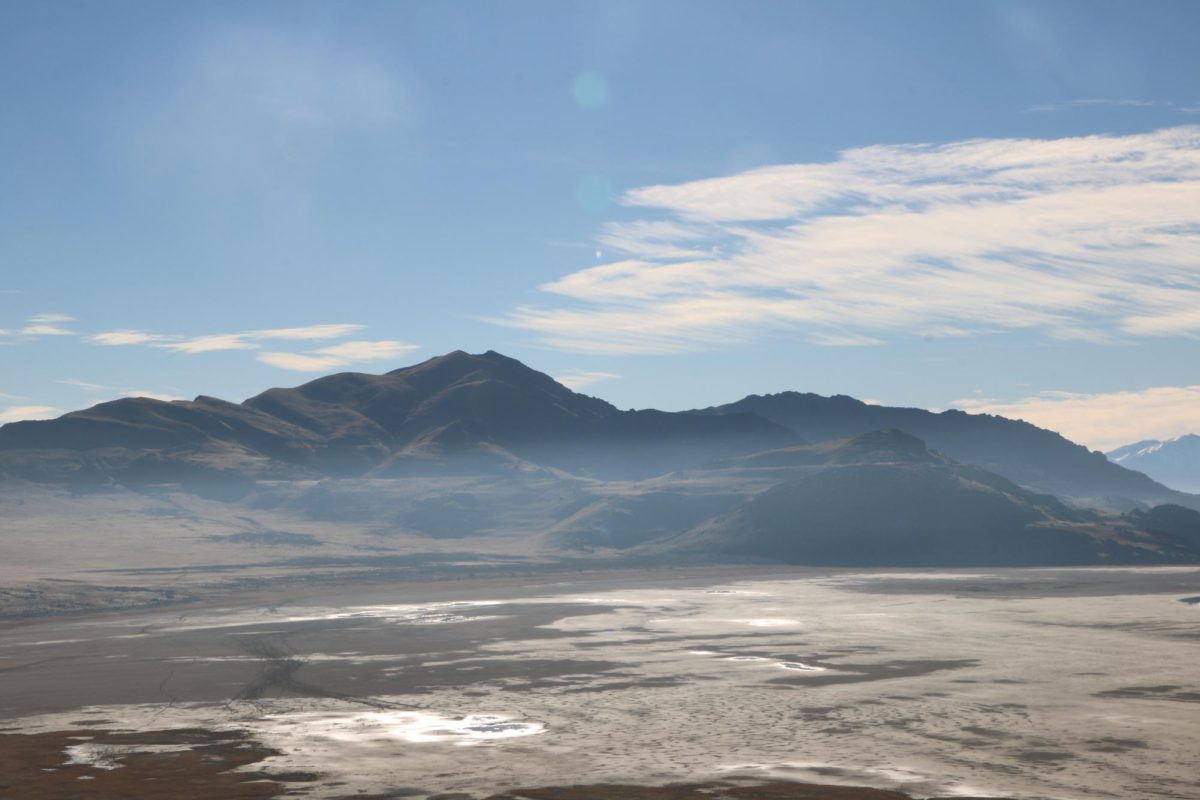
GROWING up, the Great Salt Lake was always a beautiful and cherished place to me. I remember visiting its shores, the unique smell, and the vibrant life. It was a place you could walk right up to and experience. But when I visit now, the story is very different. I walk across a barren, incredibly long beach before I even reach the water, a harsh reminder of how drastically the lake level has declined. This isn’t just about a lost memory; it’s about preserving a natural and beautiful resource for future generations to experience. My personal connection is why I am so passionate about environmental stewardship.
The Great Salt Lake is a vital resource located in Utah. The Great Salt Lake water levels have been declining drastically. The Great Salt Lake is shrinking at an unprecedented rate due to climate change and water diversions.
This decline poses significant threats to the community. The decline of the lake affects human health, habitats, and the economy. The exposed lake bed contains toxic heavy metals, including arsenic and mercury, that become airborne dust. When the wind blows, these toxic materials, exposed on the lake bed, are carried away, posing significant health and respiratory risks. This contributes to poor air quality, harming residents of the Salt Lake Valley and surrounding areas.
The poor air quality in Utah can be compared to the risks of smoking. Pollution’s effects on the lungs are very serious. Studies and research have shown that breathing Utah air could be the equivalent of smoking cigarettes. Breathing polluted air for prolonged periods can pose severe health risks, especially for people with asthma and other respiratory conditions.
The Great Salt Lake is also a destination for millions of migratory birds. Not only does the decline of the lake negatively impact humans, but it also significantly affects the habitats of the species currently living there, as well as the migratory birds that have found it a sanctuary in the past. This affects the area’s biodiversity and disrupts the delicate natural balance that has been achieved over time.
Additionally, the poor air quality impacts the recreation sector. This poses implications for athletes’ health and performance. Poor air quality from fine particulates and toxic dust harms respiratory and cardiovascular health. This can lead to reduced lung function and endurance, forced practice cancellations, and hazardous conditions.
Inversions are common in the Salt Lake Valley. The surrounding mountains create a basin, and cold air sits beneath the warm air. This traps pollutants near the surface, creating unhealthy conditions that affect respiratory and cardiovascular health.
Furthermore, the Great Salt Lake is a destination for many tourists. The decline of the lake may deter visitors, thereby reducing funding that would otherwise have enabled conservation and maintenance efforts. In addition, the ski industry would decline and suffer. The Great Salt Lake significantly contributes to the lake-effect precipitation that affects the amount of snow Utah’s Wasatch Front ski resorts receive. What’s more, the dark dust from the dried lakebed can settle on snow, thereby accelerating melting — it’s a threat to the entire ecosystem.
The Winter Olympics are scheduled to be held in Utah in 2034. A commonly overlooked factor is how drastically the lake’s decline may affect the Winter Olympics. As the dry lakebed becomes increasingly exposed, particulate matter and dust will continue to contribute to poor air quality. This can lead to reduced visibility and hazardous air quality, affecting both athletes and viewers. Additionally, the lake plays a crucial role in regional precipitation. The ongoing decline may significantly reduce snowfall, negatively affecting snow-based Olympic events.
It is essential to protect the Great Salt Lake both to sustain human health and to maintain ecosystems.