
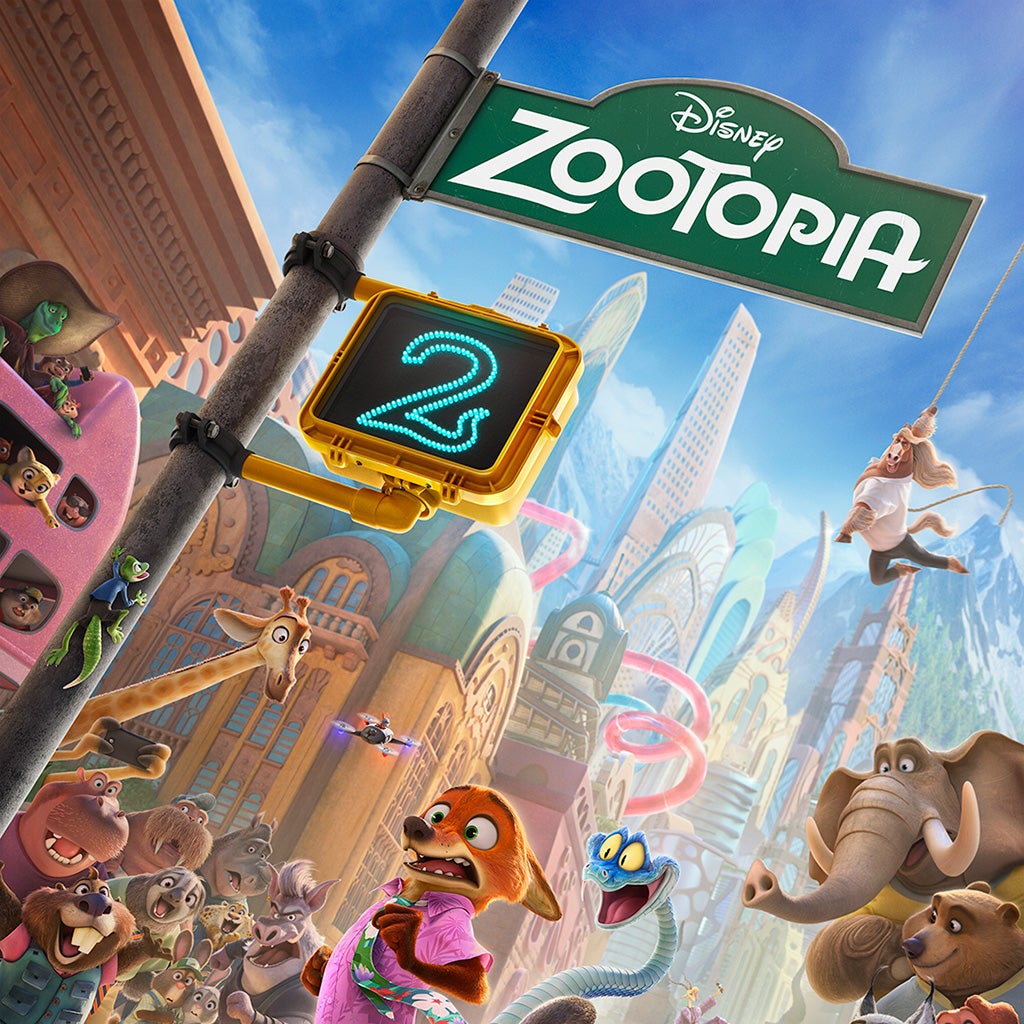
THE OVERALL view of Zootopia Two is predators versus prey. A lot of viewers have compared the predators to be real-life people in power, capitalists, white supremacists, and the rich. At the same time, the prey could be seen as minorities or marginalized groups.
The character Judy Hopps is targeted in the first film after she becomes the first bunny police officer and is marginalized — a scenario similar to many real-life experiences of people of color entering spaces that weren’t created to work in their favor.
The film presents many systemic issues, such as excessive government and police presence in many communities, which are extremely visible in the times we live in today.
A major aspect that parallels Zootopia’s ties to politics is the gentrification seen throughout the film. We see that there are different small sections or districts where the Zootopians live, which separate them, and some are even displaced, which is a real-life issue.
For example, here in West Valley City, many families near Bangerter Highway are being displaced as Bangerter Highway expands. As we know, Bangerter Highway is growing, but in the process, it is putting many families in crisis and unbearable situations.
Propaganda also appears in this film. For example, the mayor’s assistant gains fame and popularity by spreading fear amongst the citizens and saying that the predators will go savage and attack the prey to win.
Judy’s process to become an officer was challenging because bunnies were typically viewed as weak little prey. It’s a problematic situation that compares to how minorities have to work twice as hard and overcome barriers to coexist in spaces that usually try to create barriers against them and overpower them.
The overall message of Zootopia is to overcome barriers and stereotypes to promote inclusivity.